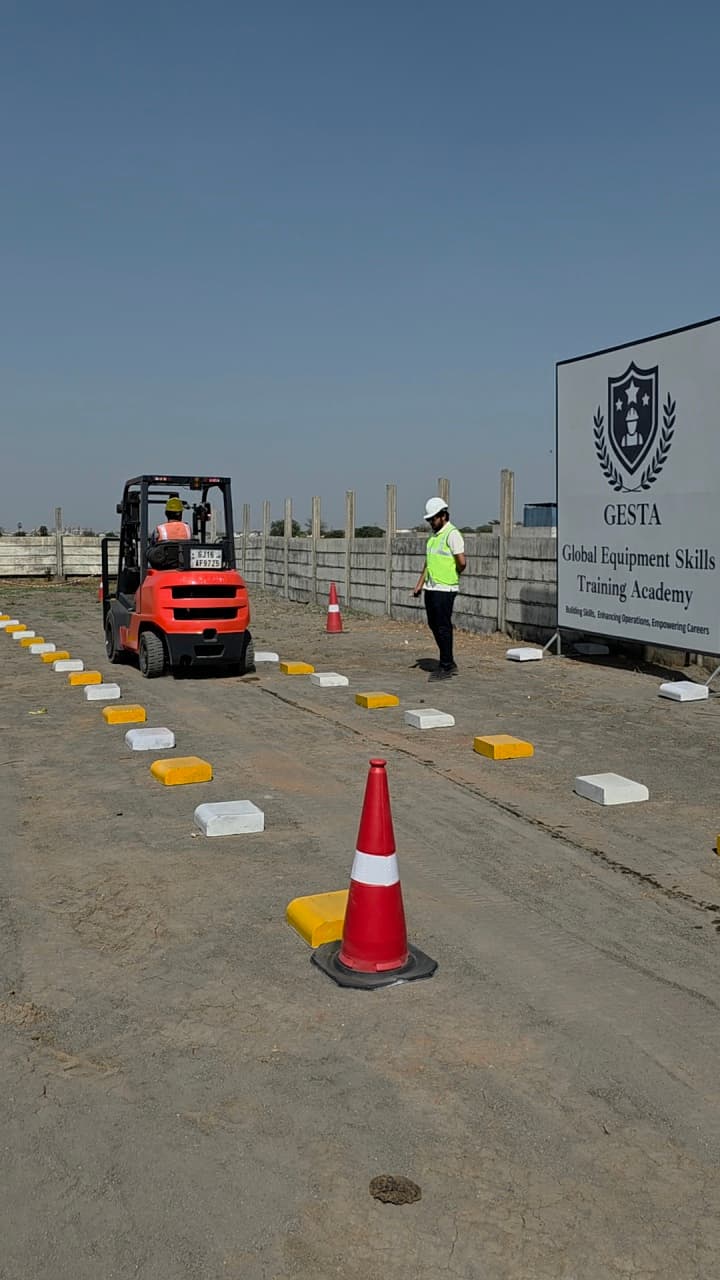
Forklifts are the backbone of material handling operations across industries such as warehousing, logistics, manufacturing, and construction. Despite their importance, they are also one of the leading causes of workplace accidents when operated by untrained or undertrained personnel.
At GESTA, we believe that forklift training is not just a formality—it is a critical investment in safety, efficiency, and long-term business success.
1. Safety Comes First
A poorly trained operator can cause serious accidents, including tip-overs, collisions, and falling loads. These incidents not only endanger lives but can also lead to costly downtime and legal consequences.
Proper training ensures that operators:
- Understand load limits and stability principles
- Follow correct lifting and maneuvering techniques
- Identify workplace hazards
- Operate equipment confidently and responsibly
A trained operator is not just skilled—they are aware.
2. Reduction in Equipment Damage
Forklifts are expensive assets. Improper handling leads to:
- Frequent repairs
- Reduced equipment lifespan
- Increased maintenance costs
Training teaches operators how to:
- Handle loads smoothly
- Avoid sudden movements
- Navigate tight spaces safely
This directly reduces wear and tear on machines.
3. Improved Productivity
Untrained operators are slower, hesitant, and more prone to errors. Trained operators:
- Move materials efficiently
- Complete tasks faster
- Reduce delays in operations
This leads to smoother workflows and higher overall productivity.
4. Compliance and Liability Protection
Many industries require certified forklift operators as part of safety regulations. Lack of proper training can result in:
- Legal penalties
- Insurance issues
- Liability in case of accidents
By investing in certified training, businesses protect themselves from unnecessary risks.
5. Better Workplace Culture
Training builds discipline and professionalism among operators. It creates:
- A safety-first mindset
- Accountability among workers
- Confidence in handling equipment
This improves overall workplace morale and reduces stress on supervisors.
6. Real Skill vs Just Experience
Many operators learn “on the job,” but experience without structured training often leads to bad habits. Professional training ensures:
- Correct techniques from day one
- Standardized operating procedures
- Practical assessment of real skills
At GESTA, we focus on both theory and hands-on training to ensure operators are truly job-ready.
Conclusion
Forklift training is not an expense—it is a strategic investment. The cost of training is always lower than the cost of accidents, downtime, and damaged equipment.
Businesses that prioritize proper training see immediate improvements in safety, efficiency, and overall operations.
If you are serious about safety and performance, it starts with training the right way.